
A 250 Million Patient Blind Spot: Why Pharma Ignored Lymphatic Medicine
By Eileen Heffernan
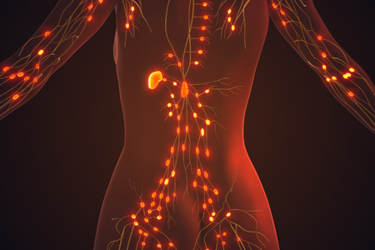
The biopharmaceutical industry prides itself on chasing the hardest targets, with billions of dollars spent exploring the darkest corners of oncology, deciphering synapses of neurodegeneration, and leveraging artificial intelligence to discover novel targets for rare, single-mutation diseases. Yet, a massive, systemic health crisis affecting an estimated 250 million people worldwide has remained hidden in plain sight in the human lymphatic system.
Despite a patient population that dwarfs many of the indications driving today’s biotech markets, not a single pharmaceutical has been approved by the FDA that can reverse or substantially modify lymphatic disorders like lymphedema and lipedema. For decades, millions of patients have been left with options of a bygone era: managing swelling, wearing heavy compression garments, undergoing painful manual drainage; forcing patients to accept a condition that can be progressive and irreversible.
How did modern medicine leave 250 million people behind? A mix of historical oversight, biological complexity, and persistent clinical stigma may help explain. Fortunately, researchers are coming to understand that the lymphatic system is NOT a secondary drainage system but rather a key component of the circulatory and immune system. And the disabilities patients face should not be ignored. Moreover, lymphatic medicine is stepping up with the potential to become the next multibillion-dollar therapeutic frontier, which could be big news for patients.
The Historic Oversight Of The "Second System"
Lymphatic therapeutics lag decades behind areas like cardiovascular and oncology drugs. For centuries, the cardiovascular system was the clear protagonist of circulatory biology. Just think back to grade school biology or health class! The heart pumped, the arteries distributed, and the veins returned. The lymphatic system, a vast, delicate network of vessels, nodes, and organs, was largely relegated to a secondary, passive role. It was often seen as the body’s "sewer system," responsible for draining excess interstitial fluid and filtering out waste.
Because the lymphatic system lacks a central pump like the heart, measuring its function, pressure, and fluid dynamics in a live patient is challenging. While a cardiologist can easily order an angiogram to visualize blockages in an artery, a lymphologist has few diagnostic tools capable of mapping microscopic lymphatic failure in real-time. Without clear diagnostic readouts or precise biomarkers, the pharmaceutical industry has viewed the lymphatic system as a black box.
The lymphatic system was seen as little more than an overflow drain, but around 1991, physiologists finally began making meaningful measurements that helped to upend this understanding. By 2010 the new model was forming: as capillaries filter along their entire length, essentially all of the fluid comes back through the lymphatics. The impact is significant. The lymphatic system is now understood to be a compulsory segment of the circulatory system. So damage to these structures means that fluids lose their return route.
However, clinical manifestations of lymphatic disorders continue to contribute to a pervasive, systemic bias, as they are still seen as secondary to other conditions. Lymphedema, often occurring as a result of chronic venous insufficiency or as a debilitating side effect of cancer treatments where lymph nodes are removed or damaged, was often viewed as an unavoidable fluid problem. And lipedema, a progressive, painful accumulation of abnormal adipose tissue that primarily affects women, was frequently diagnosed simply as obesity or dismissed by practitioners as a cosmetic issue.
With disease states that are too often misdiagnosed, heavily stigmatized, and treated as inevitable, the commercial incentive has been minimalized. Consequently, the burden of care fell squarely on physical therapies rather than molecular interventions.
From Plumbing To Pathology: The Molecular Awakening
Over the last two decades, breakthroughs in vascular biology revealed that lymphatic endothelial cells are actively engaged in complex signaling pathways. We discovered that lymphatics do not merely react to fluid overload; they dictate local immune responses, orchestrate lipid metabolism, and communicate directly with the surrounding tissue microenvironment.
Most importantly, research has rewritten our understanding of chronic lymphedema and lipedema pathology. We now know that the devastating swelling and physical deformity associated with these diseases are not just caused by backed-up fluids. The root driver is chronic, localized inflammation.
When lymphatic fluid stasis occurs, it triggers an intense inflammatory cascade. This sustained inflammation causes proliferation of abnormal fat, and the recruitment of specialized immune cells that disrupt the adipose tissue and promote fibrosis. Once tissue fibrosis sets in, the lymphatic vessels are physically crushed and further damaged, creating a vicious, self-sustaining loop of fluid retention, inflammation, and permanent structural impairment. At the molecular level, a key driver is known to be excessive leukotriene B4 (LTB4) signaling, which is approximately 300% higher in lymphedema patients and has been shown to suppress the biological pathways responsible for repairing and regenerating damaged lymphatic vessels.
By identifying inflammation and subsequent fibrosis that prevents lymphatic regrowth and repair as the true drivers of disease progression, the biopharmaceutical industry finally has what it always needed to enter the space: a precise molecular target.
Rewriting The Standard Of Care
We believe we are at a turning point, as researchers stopped viewing the lymphatic system as a secondary plumbing system and started treating it as a dynamic, highly regulated biological network essential to the circulatory and immune system. With research engendering momentum, lymphatic diseases have seen enhanced recognition from government agencies. Notably this Spring, in a milestone for the lymphatic disease community, the National Heart, Lung, and Blood Institute (NHLBI) put them at centerstage for at its 315th Meeting of the National Heart, Lung, and Blood Advisory Council (NHLBAC) on June 9th, 2026, with the formal presentation of the National Commission on Lymphatic Diseases (NCLD) final report. More research and investment should follow, with ARPA-H ahead of the NCLD report launching $158M in funding targeted at first-ever lymphatic system medicines under the Groundbreaking Lymphatic Interventions and Drug Exploration (GLIDE) program.
This scientific awakening is reshaping how researchers think about therapy. Rather than just managing swelling and symptoms, attention is turning toward interventions designed to address the underlying biology driving lymphatic dysfunction. Targeting LTB4 signaling is one emerging approach to bring disease-modifying options to lymphatic disorders, inhibiting the inflammatory signaling that contributes to tissue remodeling, fibrosis, and impaired lymphatic repair. While this therapeutic strategy continues to be evaluated clinically, it reflects a broader shift in how the field is approaching lymphatic disorders.
At Celltaxis, this biology forms the foundation of our work. We believe that enabling the lymphatic system to repair itself represents an important evolution in treatment mentality, one that seeks to restore function instead of simply managing for its loss.
Ultimately, the greatest opportunity extends beyond any single therapeutic program. It represents an opportunity to redefine an entire field of medicine. Just as advances in immunology transformed oncology and precision medicine reshaped the treatment of rare diseases, a deeper understanding of lymphatic biology has the potential to usher in a new generation of therapies that address the root causes of disease. For the hundreds of millions of people worldwide living with lymphatic disorders, that future cannot come soon enough.
About The Author
 Eileen Heffernan is the Cofounder and CEO of Celltaxis. She is a 30-year biopharmaceutical industry veteran with senior leadership across operations, strategy, M&A, and therapeutic licensing. A proven clinical development leader who has advanced 20+ regulated medical technologies to market under FDA standards, including programs addressing patients with significant unmet medical needs, Eileen has broad therapeutic depth spanning cardiology, neurology, oncology, and gene therapy. She is a recognized dealmaker with a strong record of forging strategic partnerships that accelerate innovation and commercialize breakthrough treatments, and has led multiple successful divestitures and product sales to top-tier industry players, including SmithKline, Sanofi, Merck, and Pasteur Merieux.