ABOUT EMVENIO CLINICAL RESEARCH
EmVenio Clinical Research, a Professional Case Management subsidiary, operates from U.S. and European headquarters with a team of approximately 5,000 professionals supporting clinical trials across more than 80 countries. Our community-based sites and mobile research services expand access for trial participants, while enabling sponsors and CROs to execute high-quality studies at speed and scale with clean, reliable data and consistent results. By bringing trials directly to patients in their homes, communities or places they gather, we enroll populations others miss, helping create a complete and more inclusive picture of human health. Our approach is grounded in empathy, expertise and close collaboration—bridging the gap between science and the people it serves because true progress only happens when research reflects the real world.
NEWS
-
PCM Trials, EmVenio Research, And Clinical Trial Service Rebrand As EmVenio Clinical Research8/25/2025
EmVenio Clinical Research expands global trial access with brand consolidation and launches Patient Navigator to improve access for trial participants.
FEATURED CONTENT
-

When vendors face disruptions, trials can be affected. Discover key questions to assess partner stability, strengthen operational resilience, and keep studies on track.
-

Clinical trial success requires more than enrollment. Learn how participant engagement and representative data can improve study outcomes and relevance.
-

Learn how traditional, decentralized, and community-based approaches address different study challenges and support more effective, patient-centered research.
-

Great science alone isn't enough. Explore how stronger communication can accelerate collaboration, build trust, and help drive the future of vaccine research.
-

Traditional, decentralized, and hybrid trial models each offer unique benefits. The right approach can strengthen recruitment, retention, data quality, and study success.
-

Taking trials into local communities improves access, boosts enrollment, reduces dropouts, and yields more representative data, speeding timelines and strengthening study quality.
-

Engaging with communities in familiar settings helps raise awareness, address concerns, and create a more inclusive foundation for clinical research participation built on dialogue, respect, and long‑term relationships.
-

Locally embedded research models help sponsors reach underserved populations while reducing burden on patients and health systems alike.
-

By bringing clinical research closer to where patients live and receive care, sponsors and CROs can expand reach, reduce travel burdens, and engage populations historically underrepresented in cancer studies.
-

This roundtable brought together several experts to discuss how expanding community-based research can transform clinical trial recruitment and representation.
-

As momentum continues to grow in neurology research, how can community-based research models help overcome recruitment and retention challenges in complex areas like Alzheimer's?
-

The FDA's regulatory endorsement of DCTs enhances their credibility, offering a pathway to more inclusive and accessible clinical research that benefits both patients and sponsors.












CONTACT INFORMATION
EmVenio Clinical Research
709 N Clarkson Street
Denver, CO 80218
UNITED STATES
FEATURED VIDEOS
-

Embedding studies within a health system's community hospitals gives sponsors a route to patients already in care, with implications for referral pathways and enrollment speed.
-

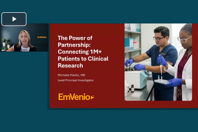
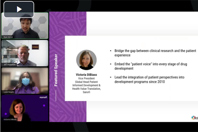
This webinar explores how inclusive research can be advanced through community partnership models that improve access, build trust and support stronger enrollment and retention.
-

We believe that delivering meaningful results begins with meeting patients where they are — whether in their homes, within their communities, or in familiar gathering places.
-

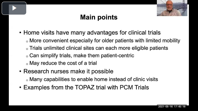
In this presentation, speakers shed light on the advantages of home visits for clinical trials and what research nurses do to make this possible.

FEATURED CASE STUDIES
-

Discover how home-based research models can improve accessibility, reduce participant burden, and help sustain engagement over many years, supporting stronger outcomes in longitudinal clinical studies.
-

Learn how home-based visits can reduce burden, improve retention, and support long-term follow-up in complex clinical studies requiring years of continuous participation.
-

By meeting participants where they are, this study sets a new benchmark for inclusive, efficient, and impactful vaccine development.
-

The Trial of Parkinson’s and Zoledronic acid (TOPAZ) is seeking to enroll 3,500 participants over the age of 60, making it the largest double-blind, placebo-controlled, randomized clinical trial ever attempted in people with parkinsonism. Find out the approaches taken and the results in this case study.