
There's A Big Misconception Around 'Inclusion,' And It's Holding Us Back
By Jill Fallows Macaluso
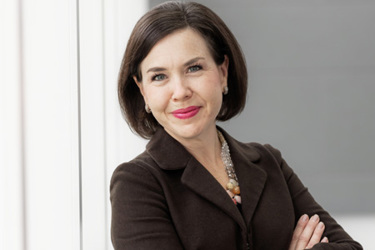
As a member of my local school board, I've seen firsthand how strongly people can disagree. But here’s what is interesting: When you probe the disagreements, they’re often not about the underlying values or principles — that’s where you usually find the common ground. Typically, the divide is over how to achieve those values.
Take, for example, the heated debates around student cell phone use. A colleague on the board and I both wanted classrooms where kids could focus on learning, free from digital distractions. But our approaches clashed: She advocated for a strict ban, while I favored empowering students to use their phones responsibly and learn self-management skills.
Our discussions were spirited and sometimes tense, but rather than disengage, we kept talking. We landed on a compromise, one that put children first and fostered both trust and accountability. This willingness to persist through discomfort and disagreement, always anchored in shared values, is at the heart of the concept of “inclusion.”
Real inclusion, as I see it, isn’t just a professional goal; it’s a way of being. Whether you’re a parent, coach or board member, practicing inclusion means actively creating environments where every person feels that their perspective will be heard and respected. Inclusion is just as essential at the dinner table as it on the sports field or in the boardroom. It’s a mindset that lifts families, teams and, yes, whole communities.
Inclusion Is A Transferrable Skill
When you build an inclusive culture in one setting, the lessons and practices you develop can be deployed elsewhere. My corporate leadership experiences, where I have tried to champion inclusion through psychological safety and trust, have directly shaped how I have approached my role on the school board. The work of nurturing open dialogue, empowering others to speak up, and moving beyond rigid rule-setting has proved just as valuable in an education setting as in corporate life.
In schools, inclusion is sometimes narrowly defined as integrating students with special needs into mainstream classrooms. While that's important, it misses the broader aim. Inclusion is not about a checkbox for single categories like disability or race. It’s about building cultures where everyone can openly share their views.
Research shows that when all types of children learn together, everyone benefits — not just children from marginalized groups, but all kids whose voices and ideas are valued. True inclusion creates environments where it’s psychologically safe to speak up, make mistakes, share dissenting opinions, and grow together.
In my 10 years as a Girl Scout leader, I tried to create an environment that honored every girl’s voice. My troop included both athletes and non-athletes, extroverts and quieter girls — often with little in common outside the troop. I made it a priority to give space to the quiet voices and ensure everyone felt they belonged. My goal was always to make each meeting a space where girls could experiment, share ideas, and feel valued as contributors. It’s my hope that I was able to teach the girls to support each other and grow together in meaningful ways.
Inclusion In Practice
So how do we move from intention to action when it comes to inclusion? Here are three important ways to start:
- Listen more, judge less: Invite perspectives that challenge your own — the lesson of the cell phone story is that dialogue across differences leads to smarter, more trusted decisions.
- Create psychological safety: Make it clear that disagreements aren’t just tolerated, they’re valued.
- Assume positive intent: Sometimes people don’t phrase things “perfectly,” and it’s important to give them some grace. Take time to think about your response, rather than knee-jerk reacting.
Inclusion is bigger than policy or workplace acronyms. It’s a way of living and fostering greater outcomes whether you’re building a friendship, leading a team through complexity, or raising resilient kids.
About The Author:
Jill Fallows Macaluso is the Chief Ethics & Compliance Officer at Novo Nordisk. Jill, who is trained as a lawyer and a nurse, is also the Executive Sponsor of two Employee Resource Groups (ERGs) at the company, EMERGE, which develops emerging leaders, and Nurses in Novo Nordisk. Jill is a leader outside of Novo Nordisk as well, serving as a twice-elected member of the Moorestown, N.J., Board of Education, where her focus is on maximizing the potential and well-being of every child. The opinions in this article are her personal opinions.